Most Mangawhai Heads baches were built for a different era of holidays. Small, unlined or lightly lined, a single bathroom, a kitchen that just about cooks bacon, and a deck that's seen better summers. They were the right answer for the time. Pull in for a weekend, sleep eight on bunks and the floor, deal with the leaks later.
The trouble is, a lot of those baches are still standing, and the families using them have moved on from camping holidays. People are working remotely from the Heads, raising kids from the Heads, retiring at the Heads. The bach has to do more than it ever did, which is why bach renovations have become one of the busier categories of work along this stretch of coast.
This guide is the honest version of what a Mangawhai Heads bach renovation actually involves in 2026 - what older baches typically hide, the upgrades worth doing, realistic budget bands, and how to keep the bach feel without keeping the bach problems.
The short version: Older Mangawhai Heads baches usually need four things addressed - weathertightness, framing and insulation, layout, and outdoor living. The work splits naturally into three budget bands (light refresh, serious upgrade, full transformation), and the biggest unknowns are structural surprises behind the linings. A good bach reno keeps the character and replaces the bones.
1. The starting point: what older Heads baches usually look like underneath
Stand in an older Mangawhai Heads bach and the surface tells you one story. The linings tell you another.
Most of these places went up between the 1960s and the early 2000s, in eras when bach building wasn't much regulated and weathertightness rules were either looser or being learned the hard way. By 2026 the common patterns we see are:
- Weathertightness issues around windows, doors, decks and parapets where flashings were undersized, missing, or installed by someone making it up.
- Undersized or salt-tired framing - the wall studs and bottom plates that have spent forty years in coastal humidity. Some are fine. Some you can push your thumb through.
- Tired insulation or none at all. Plenty of older baches have a single layer of pink batts that have slumped, or empty wall cavities that whistle in winter.
- Asbestos linings in walls, ceilings and sometimes the eaves on anything pre-mid-1990s. Not dangerous in place. A real cost factor the moment you start opening things up.
- Single-glazed aluminium joinery that's pitted from salt, won't seal properly, and is the biggest heat-loss path in the building.
- Electrical and plumbing that's well past its useful life - old TPS cable, original switchboards, copper pipework that's been soldered, unsoldered and re-soldered for thirty years.
None of this is unusual for the era. It's just the picture you have to plan for honestly.
2. The common renovation pattern - open up, weatherproof, insulate, deck
When people brief us on a Heads bach reno, the wishlist is almost always the same shape:
- Open up the living. Take out a couple of walls so the kitchen, dining and living read as one space, with the view (and the deck) doing the work.
- Better kitchen. A real one. Decent benchtop, a pantry, an oven that fits a roast.
- Sort the bathroom. Often a single tired three-piece becomes a proper main bathroom plus an ensuite or a second toilet.
- Insulate and reclad. Walls, ceiling, floor where possible. New double-glazed joinery. New weatherboard or board-and-batten cladding on a cavity, properly flashed.
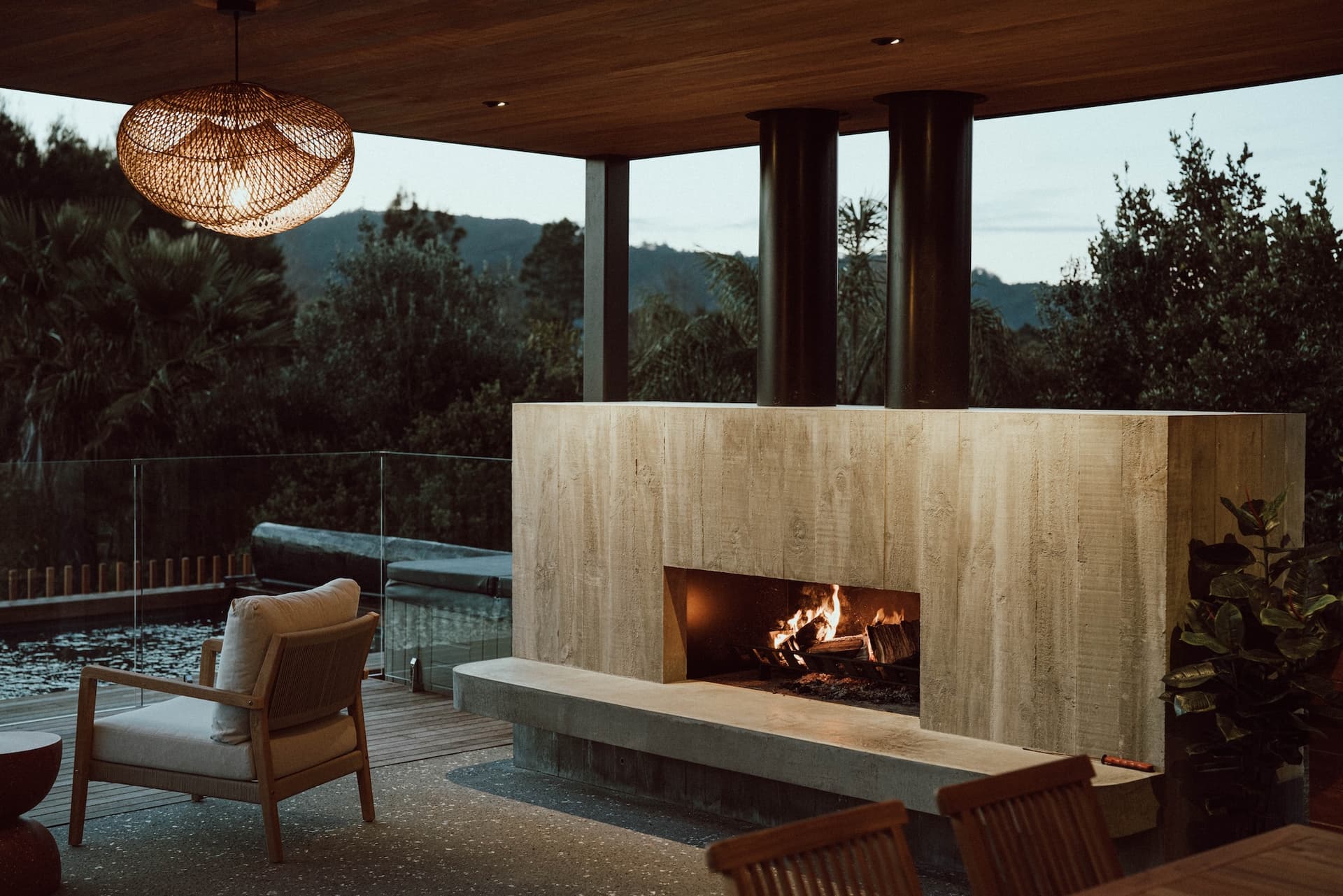
- Deck the outdoor living. A bigger covered deck, often wrapping the north or east side, with a built-in barbecue, screening or louvres against the wind.
- Add storage and a second bedroom or bunkroom so the place actually works when there are eight of you in it.
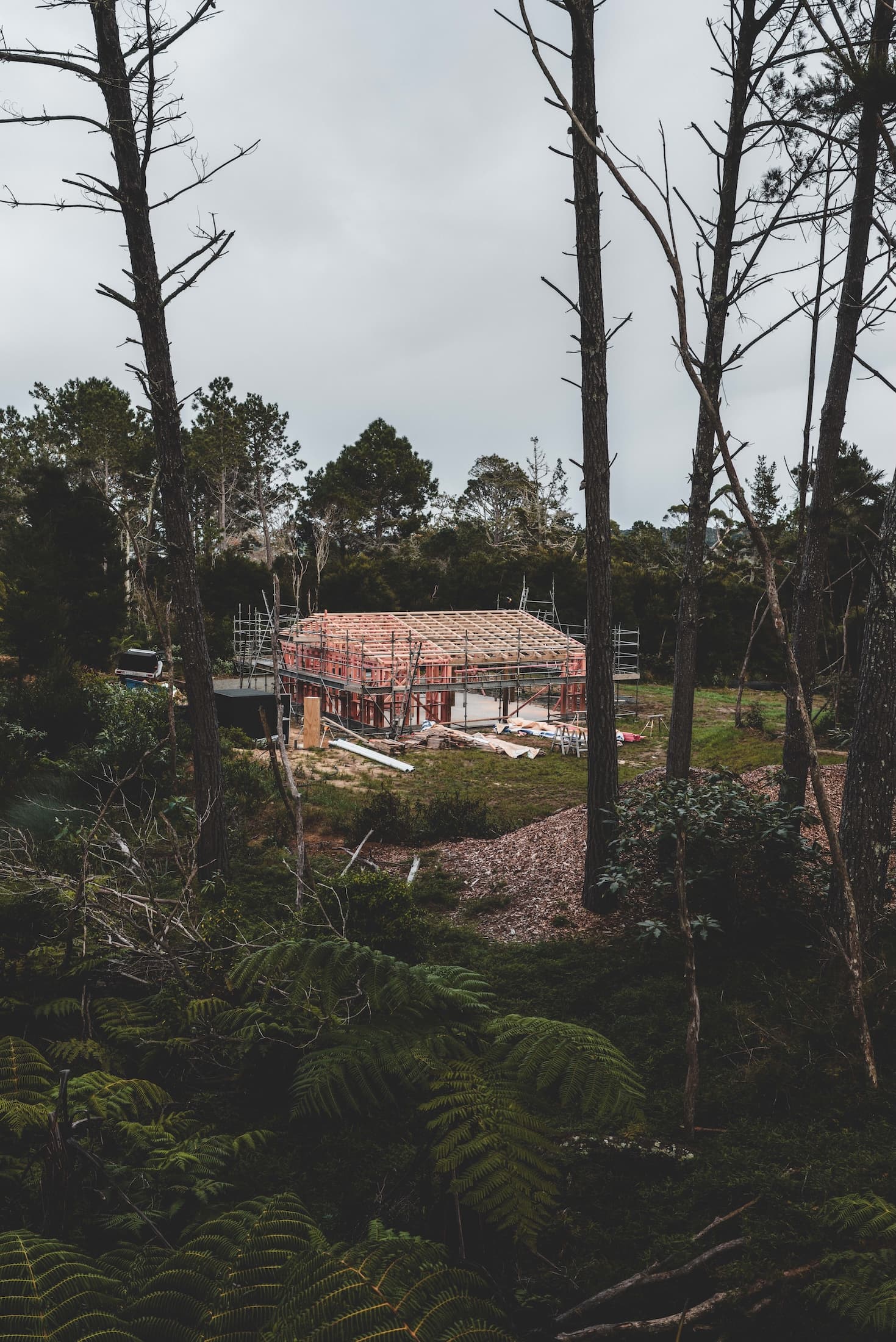
The good news is most of this is well-trodden ground. The bad news is the order matters. Open up the linings first, deal with anything ugly the structure shows you, and then build outwards from a known starting point. Trying to fix the layout before you know what the building's hiding is the single most reliable way to lose track of a budget.
3. Three budget bands - what your number actually buys
We get asked "what does a bach reno cost" weekly. The honest answer is it depends what you're calling a bach reno. Most Mangawhai Heads bach projects land in one of three bands in 2026 pricing:
| Band | What it covers | Rough range (NZD) |
|---|---|---|
| Light refresh | Kitchen and bathroom replace, paint, new flooring, deck repairs, joinery service and gaskets, light electrical tidy | $80,000 - $180,000 |
| Serious upgrade | Opening the layout, recladding, reinsulating, new double-glazed joinery, full kitchen and bathroom rebuild, larger deck with outdoor living | $250,000 - $550,000 |
| Full transformation | Adding floor area, second-storey work, structural reframing, full reclad and reroof, premium finishes, landscaping | $600,000 and up |
These are guides, not quotes. Site exposure (the closer to Wood Street and the surf, the harsher), structural surprises, and finish level all move the number. For a fuller view of how cost stacks up on a coastal job from concrete to keys, our 2026 Mangawhai cost guide breaks it down across new builds, renos and extensions.
What people misjudge most often: a "light refresh" stays light only if the structure is sound. Open the kitchen wall, find rotten plates and dodgy framing, and you've just stepped up a band whether you wanted to or not.
4. The structural surprises - and how to budget for them
You can't avoid finding things in an older Heads bach reno. You can only choose whether to plan for them or be surprised by them.
The four we see most often, and what to do about each:
- Weathertightness damage. Water has been getting in around joinery, parapets or deck-to-wall junctions for years. Once we pull the linings, the rot tells the story. Allow a contingency line in the budget specifically for this. On a 1980s-90s Heads bach we generally suggest 8-15% of the build cost set aside for what we'll find.
- Asbestos. Pre mid-1990s linings need to be tested before any demolition. Confirmed asbestos linings have to be removed by a licensed contractor under controlled conditions. Plan for $5,000 to $20,000 depending on the area involved.
- Undersized framing. Old studs and plates that don't meet today's coastal wind-zone requirements may need sistering, replacement or full reframing of sections. It's not the end of the project. It is a cost line.
- Electrical and plumbing. If the switchboard is original and the wiring is 1970s TPS, it's coming out. The honest call is to budget a full rewire and a substantial re-plumb on anything over 30 years old that's being seriously renovated.
A builder who quotes a Heads bach reno without any of these contingencies in writing is either gambling on your behalf or hasn't worked on enough older baches around here. Both are problems.
5. Consenting a bach reno at Mangawhai Heads
Most Heads bach renovations bigger than a kitchen-and-paint job will need a building consent through Kaipara District Council. The threshold is lower than people think.
Work that almost always needs consent:
- Anything structural - removing or adding walls, reframing, second-storey work, new openings in load-bearing walls.
- Recladding and reroofing.
- New or relocated plumbing and drainage, including bathroom relocations.
- Decks above a certain height or size (the size threshold is the catch - most decks people want to build are over it).
- Changes to the building's use, like adding a second dwelling or a sleepout.
What usually doesn't:
- Like-for-like internal fit-out (kitchen replacement in the same footprint, bathroom replacement, paint, flooring).
- Small repairs.
Our walkthrough of the consent journey from lodgement through to code of compliance covers what the process looks like once you're in it, and how to keep it from holding the rest of your build up.
The practical effect on a Heads bach reno: build the consent lead time into your start date. Lodgement to issue typically runs 20 working days in a normal cycle, longer if there are requests for further information. Plan months ahead, not weeks.
6. When to renovate, and when to start again
Not every older Heads bach is worth renovating. Sometimes the right answer is to take it down and build new, especially when the footprint doesn't work, the structure's tired all the way through, or the renovation number starts approaching the rebuild number.
The honest tests:
- Are the bones sound? A proper structural and weathertightness look-over tells you this. Sound bones make renovation almost always the better call.
- Does the existing footprint suit how you actually use the place? If you've got three bedrooms in the wrong layout when you need four in the right one, you may be paying to renovate a building that fundamentally doesn't fit the brief.
- What's the cost gap? When the renovation is hitting 70-80% of the new-build cost for the same outcome, you start losing the rationale for keeping the old shell.
- Is the position worth keeping? Established trees, settled site, the right north and the right view often tip the answer back towards renovation, even when the structure is challenging.
For people genuinely weighing this call, our build-vs-buy piece thinks through the same logic from a buyer's angle, and the signs your Northland home is due for a renovation covers the warning signs worth checking before you decide.
7. Keeping the bach feel
The hardest brief is the most common one - "we want it modern but we don't want it to feel like an Auckland house". Fair call. The whole point of a Mangawhai Heads bach is that it's not your normal home.
What works:
- Keep the small-room rhythm where it suits. Open the living, but leave the bedrooms snug. Bach bedrooms are meant to be cosy.
- Hold on to the original details that have aged well. Sarked timber ceilings, exposed rafters, board-and-batten internal walls. Pay to refurbish them, not to replace them.
- Pick coastal-quiet finishes. White-washed timber, soft greys, raw stone or aged brass. Not gloss anything.
- Outdoor living first, indoor second. You're at the beach. The deck should be the most lived-in room in the house.
A good builder will push back when a finish choice is going to date the place or fight the bach feel. That's part of the job.
8. Frequently asked questions
How much does it cost to renovate a Mangawhai Heads bach?
Most projects land in one of three bands. A light refresh runs $80,000 to $180,000. A serious upgrade runs $250,000 to $550,000. A full transformation starts around $600,000 and goes up. Site exposure and structural surprises move the number.
Do I need a building consent to renovate my Mangawhai Heads bach?
Most likely yes. Anything structural, recladding, reroofing, new plumbing or drainage, or a deck above a small threshold needs a consent through Kaipara District Council. Cosmetic work usually doesn't.
Can I renovate without losing the bach feel?
Yes, and that's usually the brief. Keep the original details that have aged well, open the living but leave the bedrooms snug, and pick coastal-quiet finishes. The bach feel is mostly in the rhythm of the rooms and the materials, not in the dated kitchen.
What surprises do older Mangawhai Heads baches usually hide?
Weathertightness damage around joinery and decks, undersized or rot-affected framing, asbestos in older linings, and electrical and plumbing that's past its useful life. Allow a contingency line in your budget specifically for what the building will show you when the linings come off.
Should I renovate or knock down and rebuild?
Renovate if the structure is sound, the position works, and the existing footprint suits how you actually use the place. Rebuild if the bones are rotten or the renovation cost starts approaching the rebuild number. A proper structural look-over before you commit either way is the only honest way to decide.
Talk to a builder who's actually worked on these baches
Every Mangawhai Heads bach is different - the era, the exposure, the bones, what you want to do with it. The only way to get real numbers for your place is a proper look at what's there.
We're a family-owned, Langs Beach-based building team working across Mangawhai Heads, Mangawhai, Te Arai, Langs Beach and Waipu. Bach renovations at the Heads are a big part of what we do, and we'll give you an honest read on what's possible before you commit to anything.
- The Boaz Developments team