Most homeowners don't wake up one morning and decide they need a renovation. It happens gradually - a draughty window you've been meaning to deal with, a bathroom that's looked tired for years, or a nagging feeling that the house just doesn't work the way it should. The trick is knowing when those small frustrations add up to something worth acting on.
At Boaz Developments, we've helped dozens of Northland homeowners work through exactly this decision. Here are the five signs we see most often - and what you can realistically do about each one.
1. Your Energy Bills Keep Climbing
If your power bill feels higher than it should be, your house might be working against you. Older homes in Northland - especially those built before 2008 - were often constructed to insulation standards that are well below what we'd consider acceptable today. Single-glazed windows, minimal ceiling insulation, and no underfloor insulation are common culprits.
A targeted renovation can address this without gutting the entire house. Retrofitting insulation, upgrading to double glazing, and improving ventilation can make a dramatic difference to both comfort and running costs. In some cases, these upgrades pay for themselves within a few years through lower energy bills alone.
If your home feels cold in winter despite the heat pump running constantly, or humid and stuffy in summer, it's a strong signal that the building envelope needs attention.
2. The Layout Doesn't Suit How You Actually Live
Houses built in the 1970s and 80s were designed for a different way of living. Separate formal lounges, small closed-off kitchens, narrow hallways, and bedrooms that barely fit a double bed - these layouts made sense at the time but don't reflect how modern families use their homes.
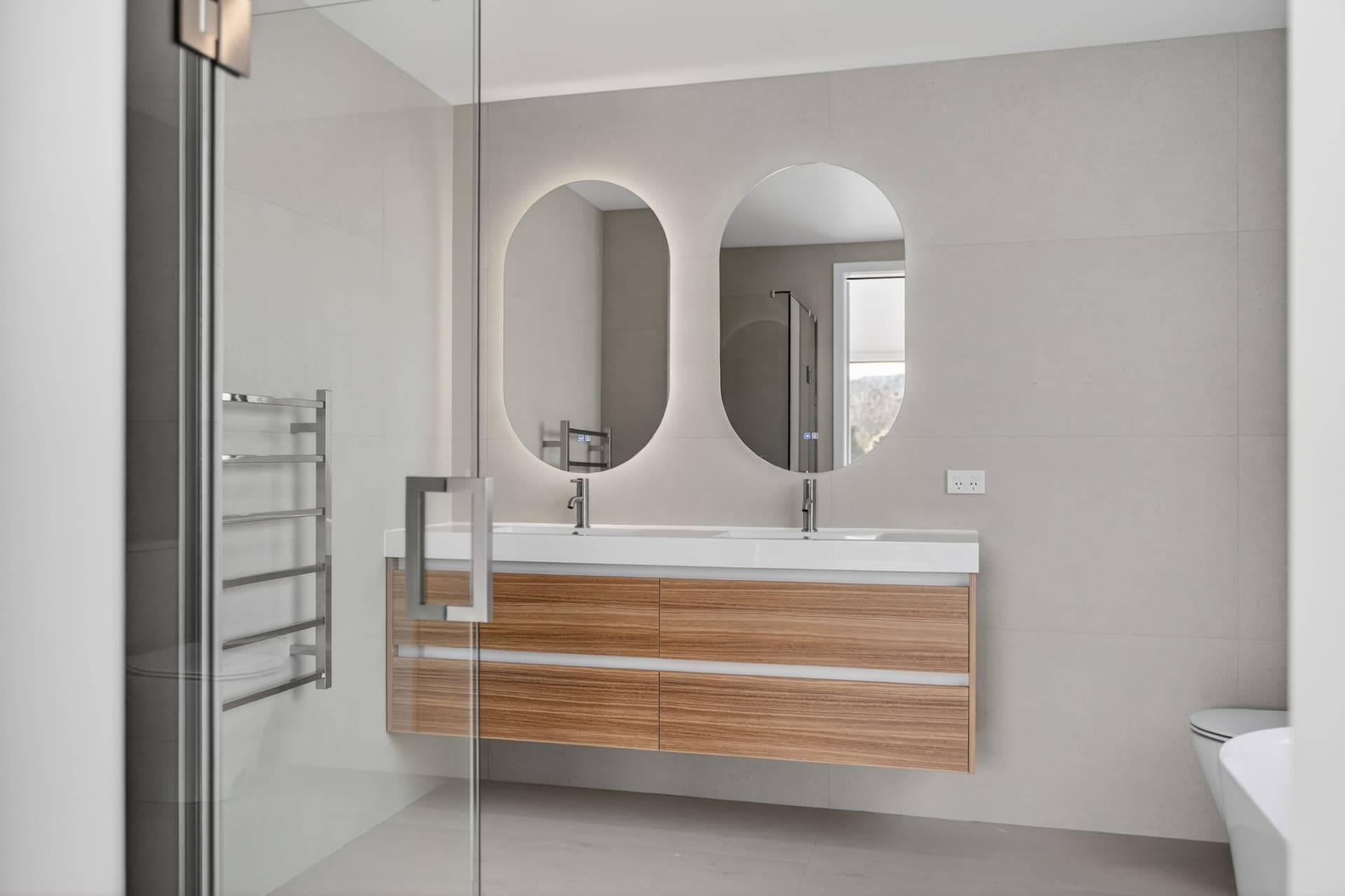
If you find yourself constantly wishing the kitchen opened into the living area, or that you had a proper mud room for the kids' gear, or that the master bedroom had an ensuite - these aren't just nice-to-haves. They're the things that make a home actually work for your day-to-day life.
Opening up a floor plan, adding a home extension, or reconfiguring rooms can transform how a house feels without the cost of a complete rebuild. We regularly take 1970s and 80s homes in the Mangawhai and Waipu areas and turn them into modern, open-plan homes that families love.
3. You Can See (or Smell) Moisture Problems
This is the one you really don't want to ignore. Moisture damage in Northland homes is more common than most people realise - and it gets worse the longer you leave it. Signs to watch for include:
- Persistent condensation on windows, especially in winter
- Musty smells in closed rooms, wardrobes, or under the house
- Staining or bubbling on interior walls or ceilings
- Soft or spongy spots in flooring, particularly near bathrooms or exterior walls
- Visible mould - even small patches can indicate a bigger issue behind the linings
Northland's humid, coastal climate makes moisture management critical. Many older homes weren't built with adequate ventilation or moisture barriers, and some cladding systems used in the 1990s and 2000s have proven problematic in our environment.
If you're seeing any of these signs, it's worth getting a professional assessment sooner rather than later. Catching moisture issues early can save tens of thousands compared to remediation work down the track. Our team is experienced with weathertightness remediation and can assess what's going on honestly - no scare tactics, just straight advice.
4. Things Are Starting to Fail
Every building has a lifespan for its components. Roofing iron might last 30–50 years depending on the material and environment. Timber joinery can deteriorate over time, especially in coastal areas. Plumbing and electrical systems age and eventually need replacing to meet current safety standards.
When you start dealing with multiple maintenance issues at once - a leaking roof, a bathroom that needs re-waterproofing, electrical switches that feel loose or look scorched, deck boards that are soft underfoot - it's often smarter to invest in a planned renovation than keep patching things one at a time.
A renovation lets you address everything systematically: upgrade what needs upgrading, future-proof what you can, and end up with a home that won't need significant work again for decades. It's also a chance to bring things up to the current Building Code, which improves safety, insurability, and resale value.
5. You're Thinking About Selling - but the House Isn't Ready
If selling is on the horizon - even a few years away - the state of your home matters more than most people think. Buyers in the Mangawhai and Northland market are increasingly savvy. They notice dated kitchens, tired bathrooms, and signs of deferred maintenance. And they adjust their offers accordingly.
A well-targeted renovation before listing can significantly increase your sale price - often returning more than the cost of the work. The key is spending money where it matters: kitchens, bathrooms, outdoor living areas, and anything that affects the overall impression when someone walks through the front door.
Even if you're not planning to sell, renovating now means you get to enjoy the improvements yourself. And when you do eventually list, the house is ready to go without the stress of a rushed pre-sale spruce-up.
So When Is It Time to Actually Do Something?
If you recognise two or more of these signs in your own home, it's probably worth having a conversation with a builder. Not a sales conversation - just an honest chat about what's realistic, what it might cost, and whether it makes sense for your situation.
At Boaz Developments, we offer free, no-obligation consultations for homeowners across Mangawhai, Mangawhai Heads, Langs Beach, Waipu, and the wider Northland region. We'll walk through your home, listen to what's bothering you, and give you a straight answer about what's worth doing - and what can wait.
Get in touch whenever you're ready. No pressure, no hard sell - just practical advice from a team that does this every day.
- The Boaz Developments team