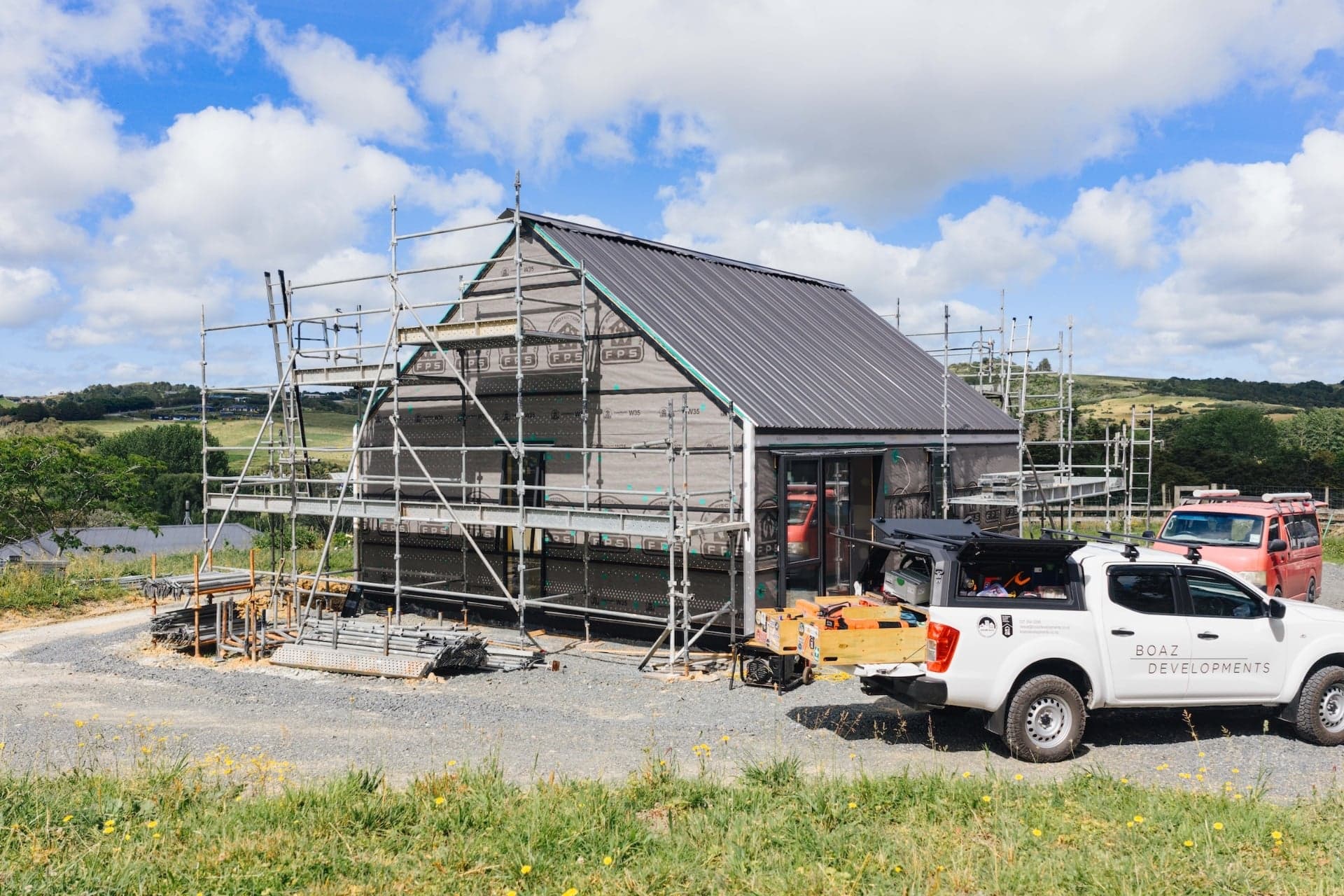
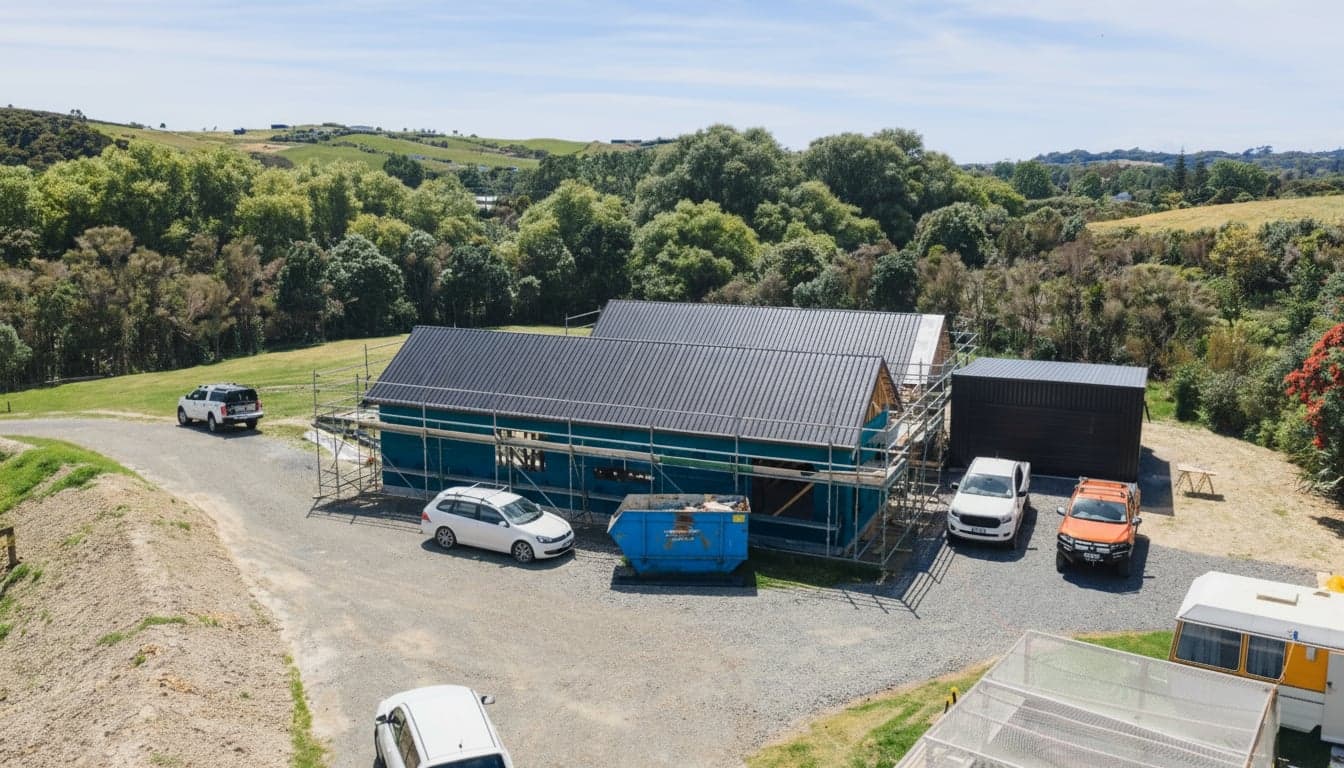
If you've spent any time around Mangawhai, you'll know there's something pretty special about this part of the world. The estuary, the surf beach, the way the light sits over the Heads at the end of the day - it's hard to beat. But if you're planning to build here, that coastal setting isn't just a beautiful backdrop. It directly shapes how your home needs to be designed, what materials go into it, and how it'll hold up over the years.
At Boaz Developments, we've been building in Mangawhai and across the surrounding Northland and Kaipara areas for years. We reckon one of the most valuable things we can share with anyone thinking about a new build here is an honest look at what the coastal environment actually means for your project.
Salt Air Is the Big One
The salty air that rolls in off the Tasman and the Hauraki Gulf is great for your soul, but it's tough on buildings. Salt in the atmosphere - particularly within about a kilometre of the coast - accelerates corrosion on anything metal. That means fixings, flashings, structural steel, roofing, joinery hardware, and more.
For builds in Mangawhai and coastal areas, we spec everything up a grade. We're talking stainless steel fixings, quality powder-coated aluminium joinery, and roofing materials rated for a marine environment. It costs a bit more upfront, but the alternative is dealing with rust, failure, and expensive remediation work down the track.
The New Zealand Building Code - specifically NZS 3604 and the requirements around corrosion zones - sets out minimum standards, but we often go beyond those minimums because we know this coastline. There's a difference between ticking the box and genuinely building something that'll still be mint in 30 years.
What About the Ground?
Coastal and estuarine areas can throw up some interesting soil conditions. Parts of Mangawhai sit on sandy or silty ground that doesn't behave the same way as solid clay or rock. Before any new home build, we always recommend a thorough geotechnical investigation - basically, a look at what's going on under the surface.
Depending on what the ground report comes back with, your foundation design might need to account for poor bearing capacity, liquefaction risk, or the presence of fill. None of this is a dealbreaker - it just means your engineer and your builder need to know what they're working with. We've built on all sorts of sites around here and there's always a solid solution; it just needs the right spec from the start.
Piles are a common foundation approach in this area, and they can actually be a great option - they allow airflow underneath the home, they work well on variable ground, and they're a traditional building approach that suits a lot of the Mangawhai aesthetic.
Wind - Don't Underestimate It
Mangawhai can get some serious wind, particularly in exposed positions. Wind affects everything from the structural design of the building through to window and door specs, cladding details, and even where you put your outdoor living.
A good designer and builder will look at your section's wind exposure early on and factor it into the design. That might mean specifying higher-rated windows, thinking carefully about roof overhangs and how water gets managed, or considering the orientation of the home to shelter outdoor spaces from the prevailing westerlies.
It's also worth thinking about what you plant around the house. A good shelter belt of native trees on the right side of a section can make a massive difference to how comfortable your home feels - and it's good for the environment too.
Choosing the Right Cladding
One of the questions we get asked a lot is: what should I clad my house in? In a coastal environment, the answer matters more than it would inland. Some options that perform well near the coast:
- Fibre cement weatherboard - tough, low maintenance, and handles the elements well
- Brick veneer - solid and durable, though it needs the right detailing around windows and reveals
- Prefinished metal cladding - sleek, modern look, and purpose-built for tough environments when specified correctly
- Cedar and other treated timbers - beautiful and proven in coastal settings, but needs ongoing maintenance to keep it looking good
What we'd steer clear of in exposed coastal spots: untreated or poorly treated ferrous metals, cheap weatherboard products that aren't rated for the zone, and cladding systems with a track record of moisture issues.
We always talk this stuff through with our clients early. The cladding decision affects your ongoing maintenance, your insurance, your resale value, and just how much you're going to enjoy the house. It's worth getting right.
The Bottom Line
Building near the coast in Mangawhai is genuinely awesome - but it requires a builder who actually knows the area and takes the environmental conditions seriously. The extra care in material selection and detailing isn't us being fussy; it's us making sure your home is built to last in the place where it's actually going to live.
If you've got a section in Mangawhai, Mangawhai Heads, Te Arai, or Langs Beach and you're wondering what building there would actually look like, give us a bell. We're always happy to have a yarn, walk a site, and give you a straight-up honest picture of what's involved.
- The Boaz Developments team